(+92) 311-111-2622
 info@amac.pk
Blog
Comprehensive Power Solution

Comprehensive Power Solutions in Pakistan: Solar, Battery, Generator & Hybrid Energy Systems
Reliable Power for Homes, Businesses & Critical Operations
Electricity is no longer simply a utility—it is essential to modern life and business continuity.
From homes and offices to shops, factories, construction sites and critical facilities, an unreliable power supply can interrupt work, damage sensitive equipment, affect productivity and increase operating costs.
The good news is that you do not have to depend on a single source of electricity.
A comprehensive power solution can intelligently combine solar energy, battery storage, grid electricity and generator backup to provide a more reliable, efficient and practical energy system.
At AMAC (Pvt.) Ltd., we approach power requirements as an engineering and operational challenge—not simply as a product sale. Our objective is to understand your actual load, operating pattern and backup requirements and develop an appropriate energy solution around them.
What Is a Comprehensive Power Solution?
A comprehensive power solution is a coordinated energy system designed around the customer’s actual electricity requirements.
Depending on the application, it may include:
- Solar photovoltaic (PV) panels
- Hybrid or on-grid solar inverter
- Battery energy storage
- Grid electricity
- Diesel generator backup
- Automatic or manual changeover/transfer systems
- Electrical protection and distribution equipment
- Monitoring and energy-management systems
- Installation, commissioning and technical support
Instead of asking “Which product should I buy?”, the better question is:
“What is the most reliable and economical way to meet my power requirement?”
That difference is important.
A correctly designed system can use solar energy when available, store energy when required, use grid electricity when practical and bring in generator backup when extended outages or high-demand conditions require it.
Solar, Battery or Generator — Which One Do You Need?
There is no single power solution that is ideal for every consumer.
The right system depends on your electricity consumption, connected load, outage pattern, budget, operating hours and the equipment that must remain operational during a power failure.
1. On-Grid Solar System
An on-grid solar system operates alongside the utility grid.
During daylight hours, solar generation can supply part or all of the property’s electrical demand. Depending on the applicable electricity arrangement and approvals, surplus electricity may also be exported to the grid.
However, an important point is often misunderstood:
A conventional on-grid solar system normally does not provide backup electricity during a grid outage.
This makes on-grid solar particularly suitable for consumers whose primary objective is reducing daytime electricity consumption and improving energy economics.
2. Hybrid Solar System
A hybrid solar system combines solar generation with battery storage and grid electricity.
During the day:
Solar → Loads + Battery
When solar production is insufficient:
Grid → Loads / Battery
During an outage:
Battery → Essential Loads
This makes a properly designed hybrid system particularly attractive for consumers who want both energy savings and backup capability.
Hybrid systems are increasingly relevant for Pakistani consumers who want greater energy independence without completely abandoning the utility grid.
3. Solar + Battery + Generator
For applications where electricity availability is critical, a generator can remain an important part of the energy architecture.
A properly engineered hybrid arrangement can combine:
Solar + Battery + Grid + Generator
The system can prioritize the most appropriate energy source according to availability and operating requirements.
For example:
Solar available → Solar supplies load
Solar surplus → Battery charging
Grid available → Grid supports load / charging
Grid failure → Battery supplies essential loads
Extended outage / low battery → Generator provides additional power
This approach can provide a practical balance between reliability, fuel consumption, battery utilization and energy cost.
Why a Generator Still Has a Role in Modern Energy Systems
Solar energy has transformed the way consumers think about electricity, but generators still have an important role in many applications.
A battery has a finite energy capacity.
A generator, provided sufficient fuel is available, can continue operating for extended periods.
This makes generators particularly useful for:
- Large homes
- Commercial buildings
- Factories
- Construction projects
- Remote sites
- Telecommunications facilities
- Hospitals and critical facilities
- Industrial machinery
- Large water pumps
- Emergency and standby applications
The most effective solution is therefore not necessarily solar versus generator.
In many applications, the better question is:
How can solar, battery and generator technology work together?
How Much Solar and Battery Capacity Do You Really Need?
This is where professional system design becomes important.
Many consumers make the mistake of selecting a system simply according to inverter capacity—for example, choosing a “5 kW” or “10 kW” system without first understanding the actual electrical requirement.
A proper assessment should consider:
Connected Load
What equipment is connected?
Examples include:
- Fans
- Lights
- Refrigerators
- Air conditioners
- Water pumps
- Computers
- TVs
- Kitchen appliances
- Motors
- Industrial machinery
Running Load
Not every connected appliance operates simultaneously.
Understanding the actual simultaneous operating load can prevent unnecessary system oversizing.
Starting Load
Motors, compressors, pumps and air-conditioning systems can require significantly higher power during startup.
This must be considered when selecting the inverter and generator.
Backup Duration
Do you need backup for:
- 30 minutes?
- 2 hours?
- 4 hours?
- 8 hours?
- Overnight?
- Extended outages?
Battery capacity should be designed around the required backup load and duration—not simply around the inverter rating.
Critical vs Non-Critical Loads
A smart power system does not necessarily need to operate everything during an outage.
For example:
Critical loads
- Lights
- Fans
- Internet/network equipment
- Security systems
- Refrigerator
- Selected air conditioners
- Computers
Non-critical loads
- Electric heaters
- Water heaters
- Heavy motors
- Non-essential air conditioners
- High-power appliances
Separating these loads can significantly improve the practicality and economics of a backup system.
The Importance of Proper Electrical Protection
A power solution is only as good as its design and installation.
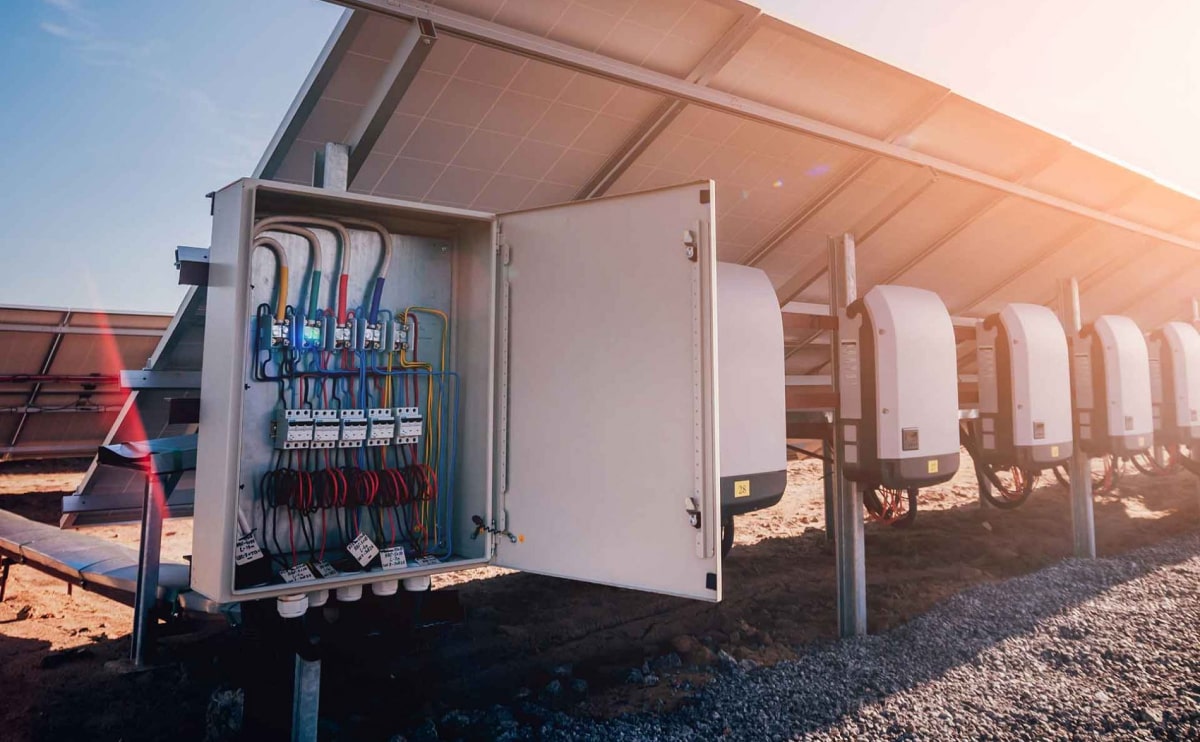
Solar panels, batteries, inverters, generators and grid connections involve electrical energy that must be properly controlled and protected.
Depending on the system design, appropriate protection may include:
- AC and DC circuit breakers
- Surge protection devices
- Over-current protection
- Earth-leakage protection
- Proper earthing/grounding
- DC isolation
- AC isolation
- Correct cable sizing
- Battery protection
- Proper changeover or automatic transfer systems
- Generator interlocking
- Safe distribution and labeling
A particularly important safety principle is that different power sources must not be improperly connected or back-fed into one another.
Professional installation and appropriate transfer equipment are essential for safe operation.
Solar Power Is More Than Installing Panels
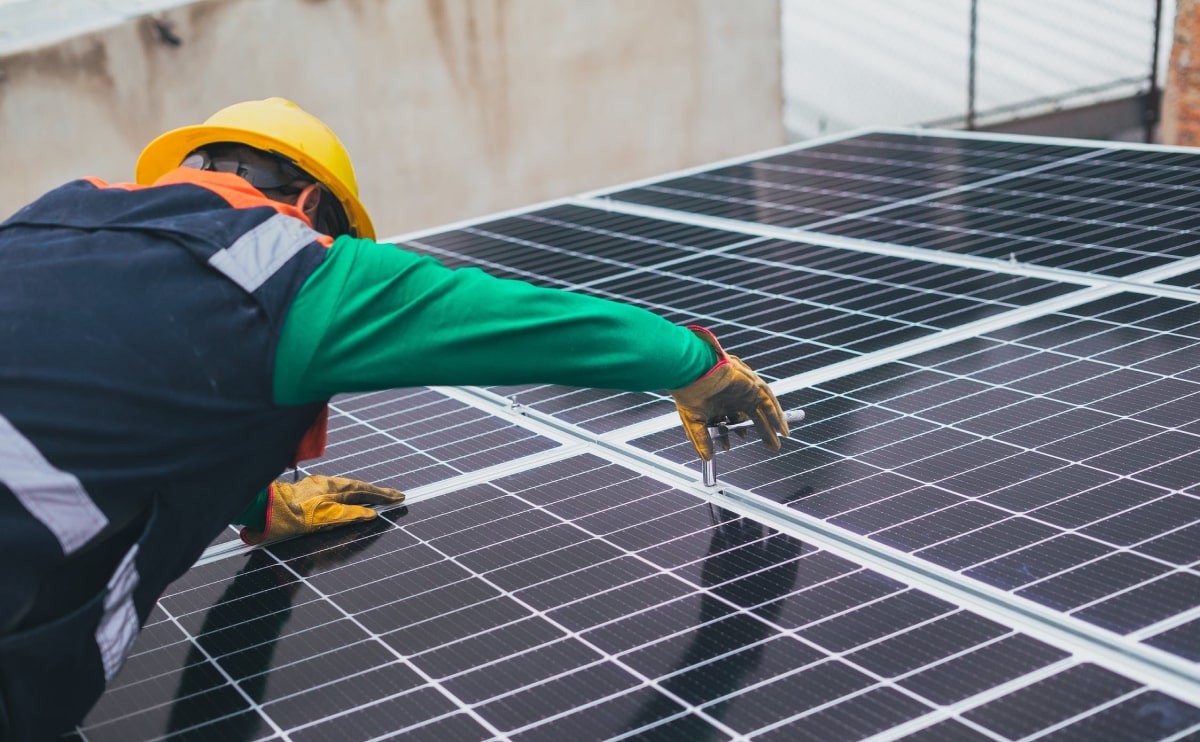
A solar installation is not simply a collection of panels mounted on a roof.
The complete system includes:
Solar PV → DC Protection → Inverter → AC Distribution → Loads
And, where applicable:
Battery Storage + Grid + Generator
The performance of the complete system depends on how these components are selected, matched, installed and operated.
That is why the lowest initial quotation is not always the lowest-cost solution over its operating life.
A technically appropriate system should consider:
- Equipment quality
- System efficiency
- Expected operating conditions
- Battery technology
- Inverter characteristics
- Protection requirements
- Installation quality
- Maintenance
- Warranty and after-sales support
- Future expansion
Why Choose a Hybrid Power Strategy?
A hybrid energy strategy provides flexibility.
Instead of depending completely on the grid or completely disconnecting from it, the consumer can combine multiple energy sources.
Potential advantages include:
Lower dependence on grid electricity
Solar can provide a significant portion of daytime energy requirements.
Reduced generator operating hours
Battery and solar can handle shorter interruptions, allowing the generator to be reserved for longer outages or higher-demand periods.
Better energy utilization
Solar energy can be consumed directly or stored for later use.
Improved power continuity
Battery backup can provide rapid transition during grid interruptions.
Scalability
A properly designed system can potentially be expanded as energy requirements increase.
Power Solutions for Homes
For residential customers, AMAC can help evaluate requirements ranging from essential backup to more comprehensive home energy systems.
A residential solution may be designed around:
- Lights
- Fans
- Refrigeration
- Internet and networking
- Security systems
- Television
- Computers
- Water pumps
- Selected air conditioners
- Essential kitchen equipment
The objective is not necessarily to power every appliance simultaneously.
The objective is to provide the right amount of reliable power for the way the household actually operates.
Power Solutions for Businesses
For businesses, electricity reliability directly affects productivity and revenue.
A power interruption can stop:
- Production
- POS systems
- IT infrastructure
- Communication systems
- Security systems
- Refrigeration
- Office operations
- Machinery
A comprehensive business power solution can combine solar, battery storage, grid supply and generator backup according to the facility’s requirements.
For commercial customers, AMAC can also evaluate the relationship between:
Energy consumption + backup requirement + operating hours + fuel usage + future expansion
This provides a more useful basis for investment decisions than simply comparing equipment prices.
Power Solutions for Industrial & Project Sites
Industrial and construction environments often have significantly different requirements from residential users.
They may require:
- High-capacity diesel generators
- Temporary project power
- Solar-assisted power
- Fuel supply
- On-site diesel refueling
- Industrial lubricants
- Equipment support
- Customized energy infrastructure
AMAC’s experience in petroleum products, diesel fuel, specialty and industrial lubricants and energy alternative solutions allows these requirements to be considered together rather than as isolated purchases.
Why AMAC for Comprehensive Power Solutions?
AMAC (Pvt.) Ltd. operates at the intersection of petroleum, lubricants and alternative energy solutions.
Our approach is based on understanding the customer’s operational requirement and developing a practical solution around it.
Our capabilities include:
Energy Alternative Solutions
Solar and hybrid energy concepts designed around specific applications.
Diesel Fuel Solutions
Reliable diesel supply and project/site refueling support.
Lubrication Solutions
Automotive, heavy-duty, industrial and specialty lubricants for equipment and machinery.
Technical Support
Application-oriented guidance for selecting and operating energy and lubrication solutions.
Project-Oriented Approach
Solutions can be developed around residential, commercial, industrial and project requirements.
AMAC’s existing website positioning includes sustainable solar energy, hybrid approaches, on-site diesel refueling and technical support across petroleum and alternative-energy applications.
One Partner. Multiple Energy Requirements.
Imagine managing your energy requirements through a single technical partner:
Solar Energy
↓
Battery Storage
↓
Grid Electricity
↓
Generator Backup
↓
Diesel Fuel Supply
↓
Lubrication & Equipment Support
This integrated approach can simplify procurement, technical coordination and ongoing support.
Instead of buying isolated products from multiple suppliers, customers can discuss the complete energy requirement with one experienced team.
How to Start Your Power Solution
Before purchasing a solar system, battery or generator, prepare the following information:
- Average monthly electricity consumption
- Electricity bill history
- Number and capacity of air conditioners
- Major appliances and motors
- Required backup loads
- Required backup duration
- Available roof or installation area
- Existing generator capacity
- Generator fuel consumption, if available
- Future electricity requirements
With this information, a technical team can develop a much more accurate solution.
Frequently Asked Questions
Is solar enough for complete backup?
Not always. The answer depends on the load, battery capacity, solar generation, weather, operating hours and required backup duration.
Does on-grid solar work during load-shedding?
A conventional grid-tied system generally shuts down when the grid is unavailable. Backup requires an appropriately designed hybrid or backup architecture.
Do I need batteries with solar?
Not necessarily. Batteries are mainly required when backup capability, energy shifting or greater energy independence is part of the objective.
Can solar and a generator work together?
Yes. Properly engineered hybrid systems can integrate solar, battery storage and generator backup.
Can a battery replace a generator?
For short or moderate outages and appropriately sized loads, a battery system may replace generator operation. For long-duration, high-power requirements, a generator can remain valuable.
What size solar system do I need?
There is no universal answer. System capacity should be calculated from your electricity consumption, connected load, operating pattern, available solar resource and future requirements.
The Smartest Power Solution Is the One Designed for Your Requirement
There is no single “best” solar system, battery, inverter or generator for everyone.
The best power solution is the one that balances:
Reliability + Safety + Performance + Energy Cost + Backup Requirement + Future Needs
Whether you need residential backup, a commercial solar solution, industrial power support or an integrated solar + battery + generator system, AMAC can help you evaluate the requirement and develop a practical approach.
Power Your Home. Protect Your Business. Strengthen Your Energy Independence.
AMAC (Pvt.) Ltd.
Petroleum & Energy Alternative Solutions
Solar Energy | Hybrid Power | Battery Storage | Generator Solutions | Diesel Fuel | Industrial Lubricants
Visit: www.amac.pk
Contact: +92 311 1112622
Email: info@amac.pk
AMAC — Reliable Energy Solutions for a Changing World.